 1 / 10
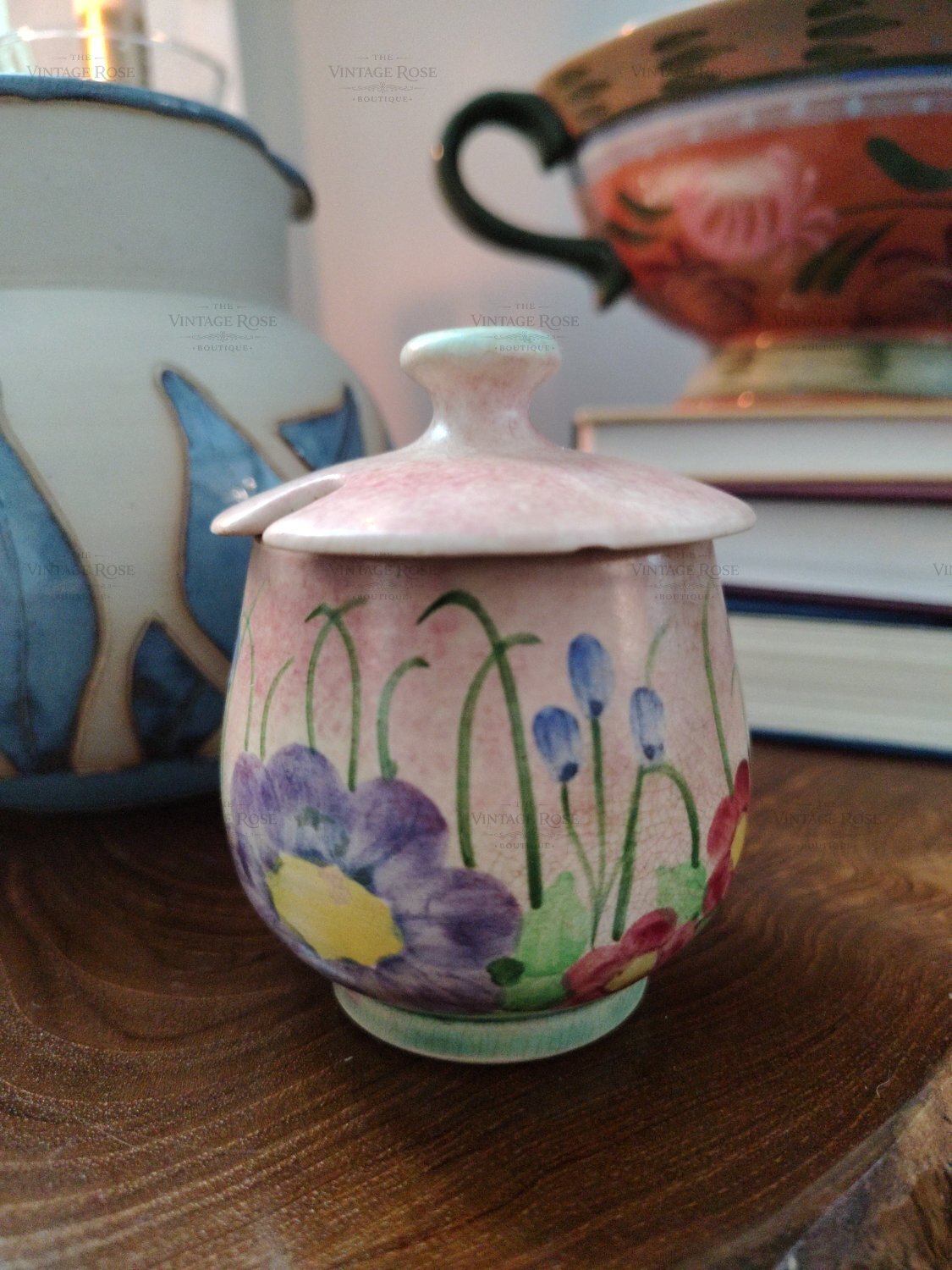
E. Radford Hand-Painted Preserve Pot — English Art Pottery Jam Pot with Spring Florals & Spoon-Slot Lid, c. 1930s–40s
Price in USD. Shipping is $10.95 to the contiguous US — see our Shipping Policy.
- Maker: E. Radford (Radford Handcraft Pottery), Burslem, Staffordshire, England
- Mark: hand-painted black script "Radford / England" with painted shape number and paintress marks
- Form: footed baluster preserve / jam pot, domed lid with pinched knop and spoon-slot notch
- Decoration: hand-painted spring-garden florals on a mottled rose-pink ground, warm ivory glaze
- Era: circa 1930s–1940s · breakfast-table scale
E. Radford Hand-Painted Preserve Pot — English Art Pottery Jam Pot with Spring Florals & Spoon-Slot Lid, c. 1930s–40s
Circa 1930s–1940s
English Hand-Painted Art Pottery
E. Radford of Burslem made small useful things beautifully. From 1930, Edward Radford ran a Staffordshire workshop where pieces were hand-thrown and then hand-painted by a team of paintresses — around fifteen at a time — each finishing her work freehand until his retirement in 1948. That's why this preserve pot's spring flowers feel so alive: purple anemones with yellow centres, blue harebells, and red blooms brushed loosely over a soft rose-pink ground. No two Radford pieces are ever quite the same, and the painted shape number and paintress marks on the underside tell you a real hand saw this one through.
The form says everything about how it was meant to live. It's a footed jam pot with a domed lid, a pinched knop to lift it, and a small notch cut in the rim so the spoon stays put — marmalade in the morning, jam at tea, the small ceremony of an English table. This one came to us from an estate near Woodbridge, Virginia. We can't say whose breakfast it brightened, but the thought is a warm one: a cottage garden's worth of flowers, painted in Staffordshire and kept blooming on the table right through the winter, decade after decade.
Specifications
- Dimensions
- 6 × 6 × 6 in
- Weight
- 2 lbs
- SKU
- HDRP-VR-0033
- Maker: E. Radford (Radford Handcraft Pottery), Burslem, Staffordshire, England
- Mark: hand-painted black script "Radford / England" with painted shape number and paintress marks
- Form: footed baluster preserve / jam pot, domed lid with pinched knop and spoon-slot notch
- Decoration: hand-painted spring-garden florals on a mottled rose-pink ground, warm ivory glaze
- Era: circa 1930s–1940s · breakfast-table scale
Related products
-
 Very Good
1960s
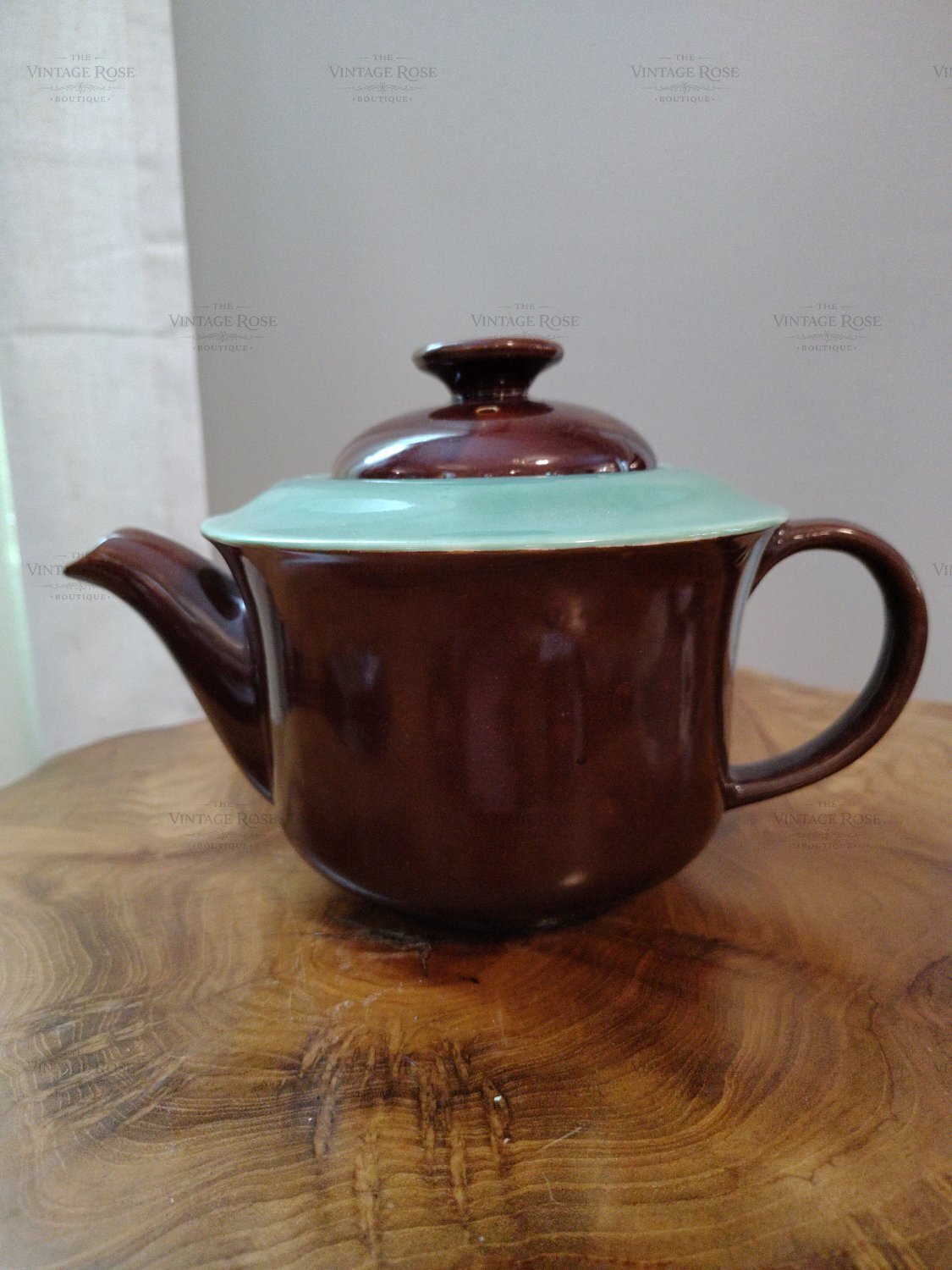
Red Wing Pottery Two-Tone Teapot — Mid-Century Brown & Aqua Turquoise Stoneware, USA
$55.00Stoneware
HDRP-VR-0014 -
Excellent
Studio pottery, late 20th–early 21st century
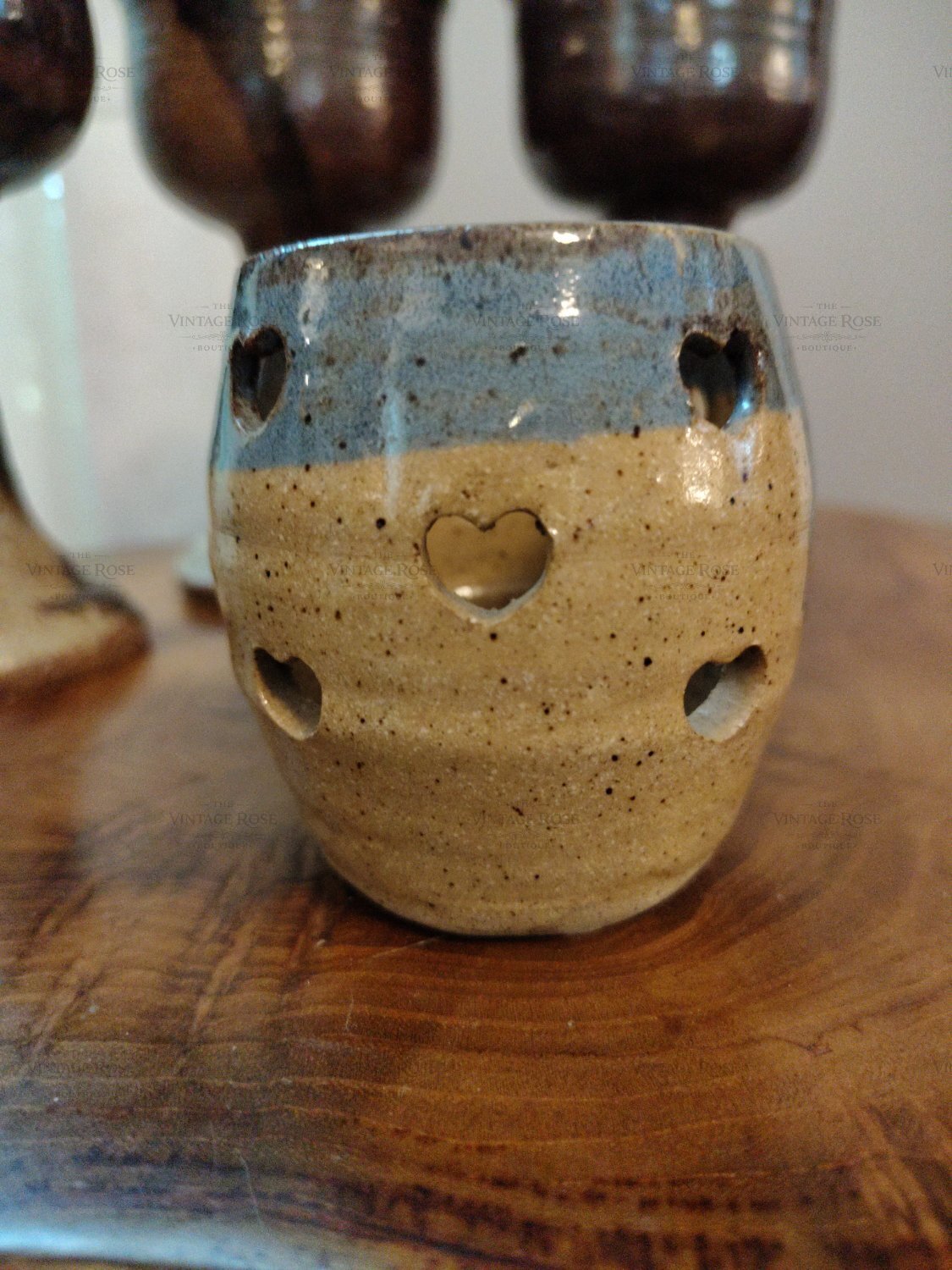
Jim Rigby Studio Pottery — Heart-Pierced Two-Tone Stoneware Votive / Small Planter, Signed
$36.00Stoneware
HDRP-VR-0020 -
Very Good
Vintage
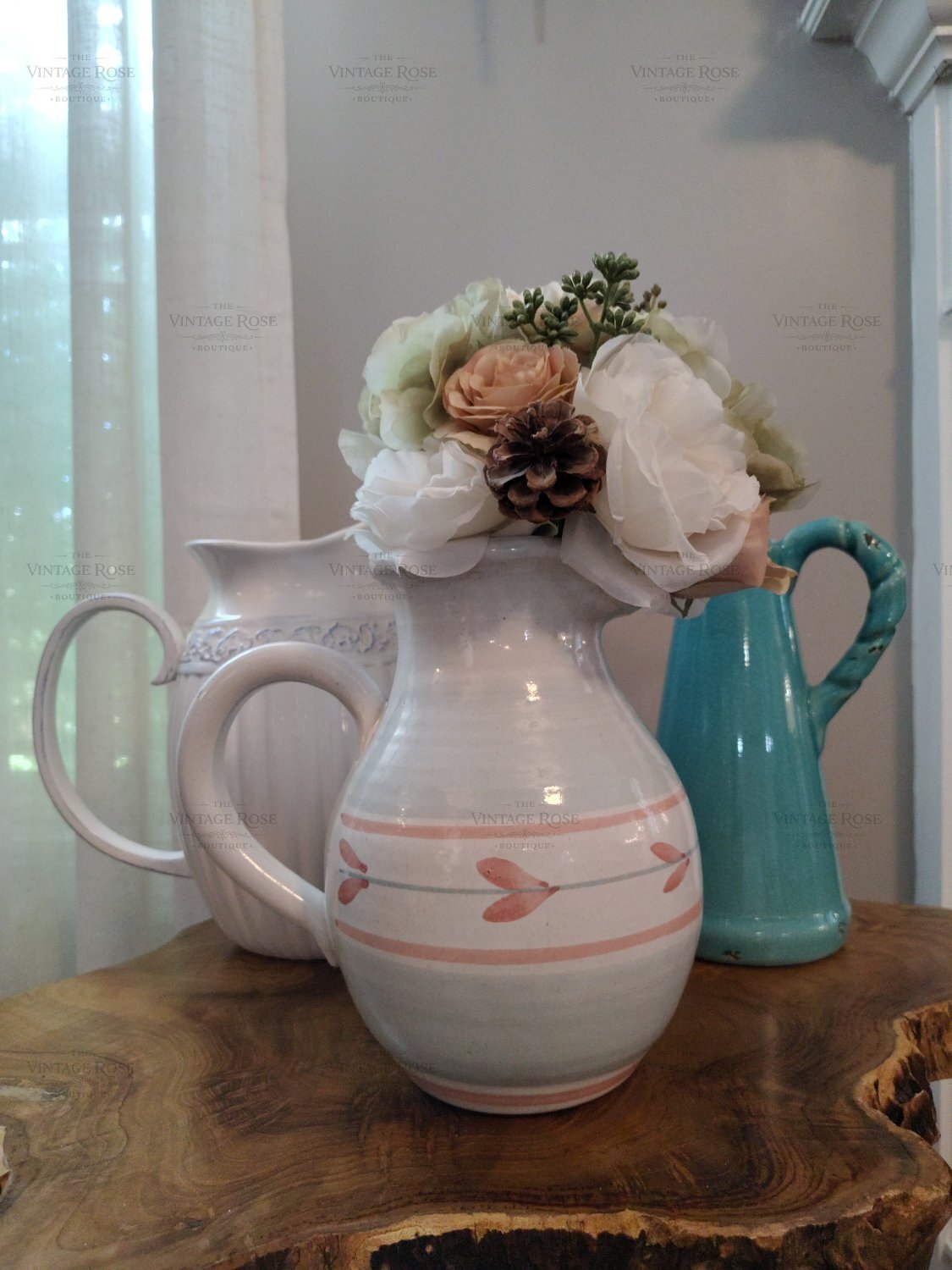
Hand-Thrown Studio Pottery Pitcher — Creamy Speckled Glaze with a Coral-Pink Folk Band
$60.00Stoneware
HDRP-VR-0016 -
Very Good
1960s
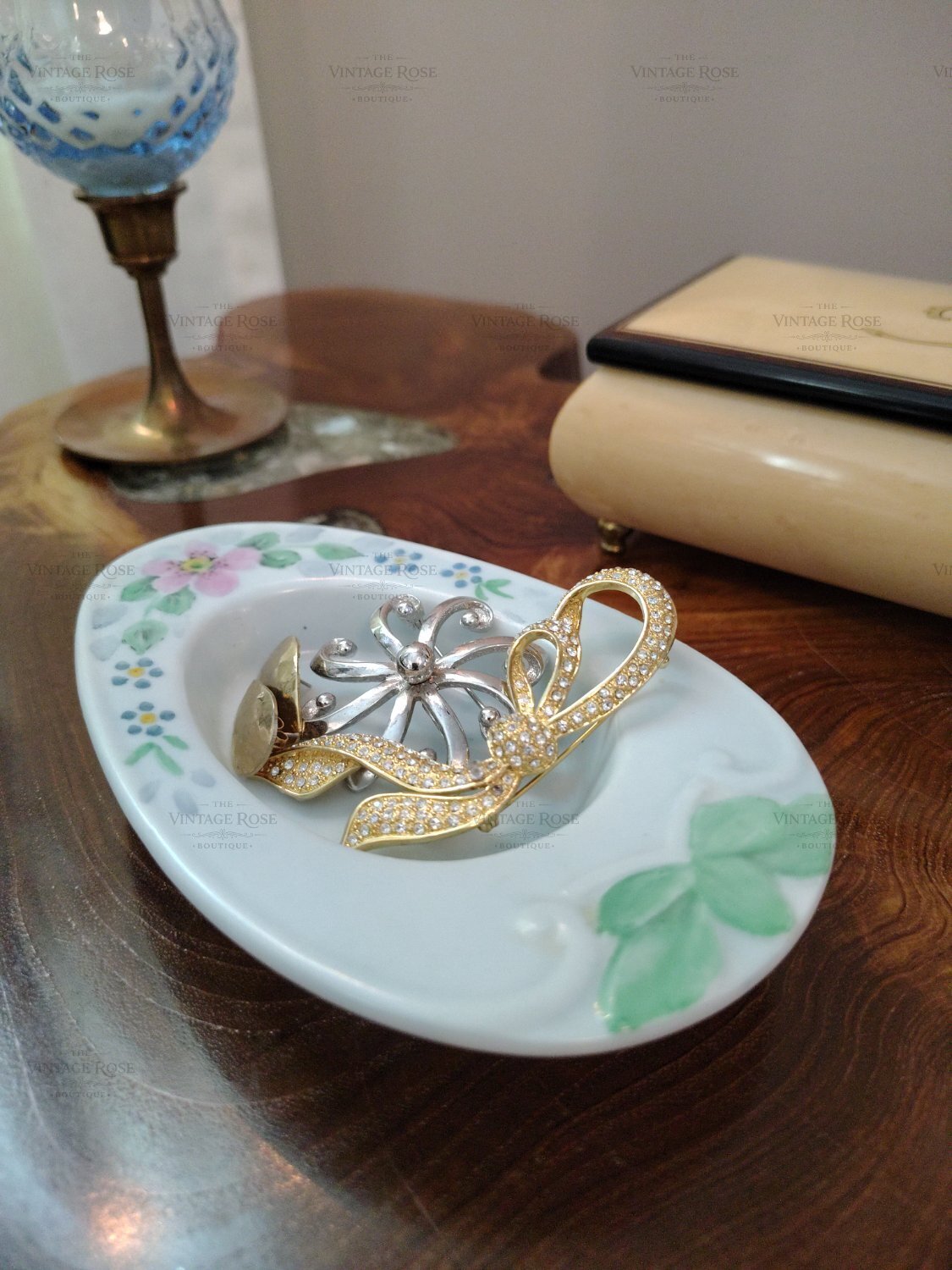
Hand-Painted Porcelain Trinket Dish — Wild Rose & Forget-Me-Nots, Signed and Dated 1969
$20.00Enamel / Painted, Porcelain / Ceramic
HDRB-VR-0004