 1 / 7
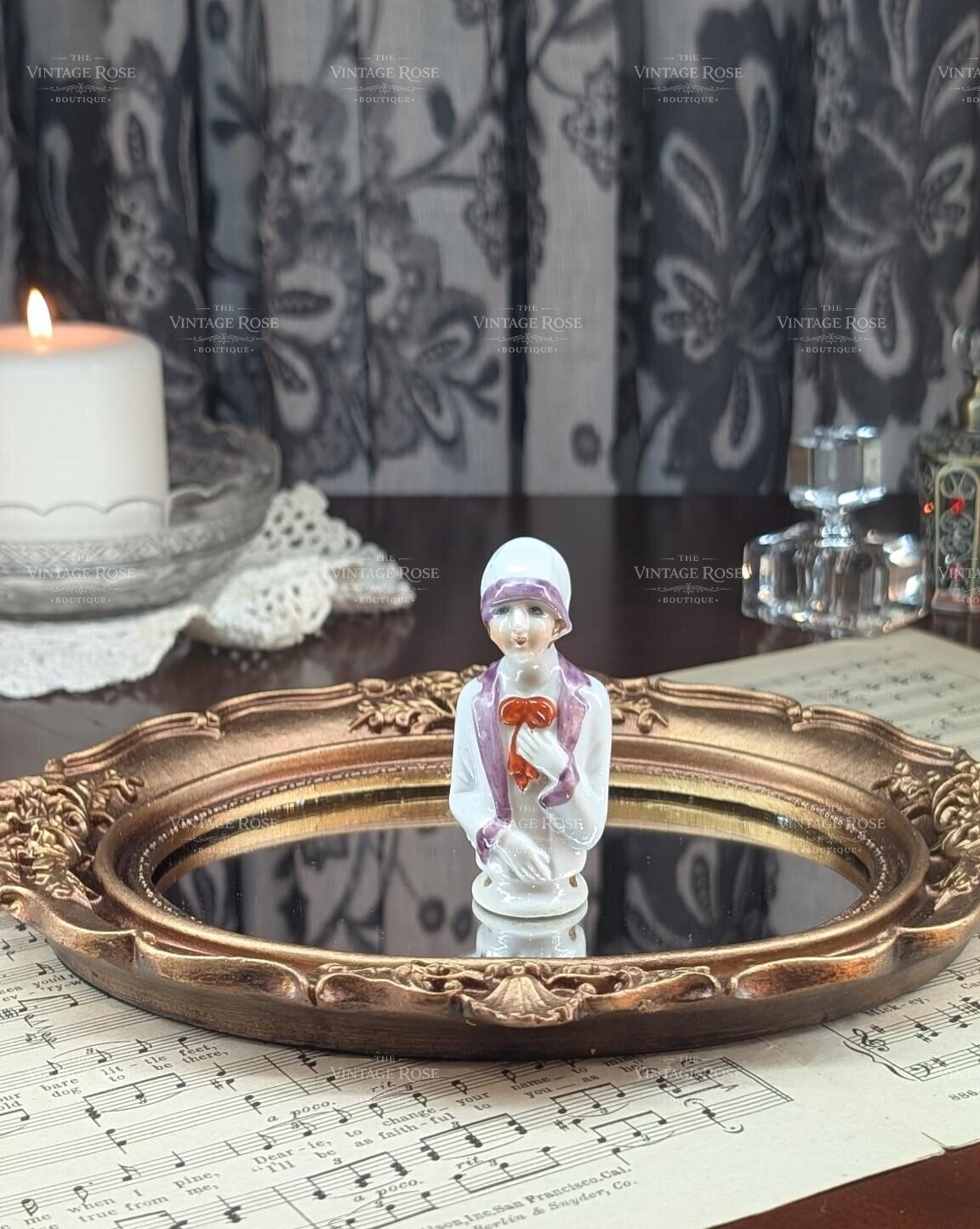
Vintage Porcelain Flapper Half-Doll — Art Deco Cloche Hat Lady Pincushion Figurine, Japan
Price in USD. Shipping is $5.95 to the contiguous US — see our Shipping Policy.
Highlights
- Vintage porcelain half-doll (pincushion doll) in Art Deco flapper form
- Japanese manufacture confirmed by red "JAPAN" mark on exterior back of base — dating the piece to circa 1921–1941
- Hand-painted facial features: auburn bobbed hair, rosebud lips, rosy cheeks, defined eyes
- White cloche hat with lavender/purple band — the defining silhouette of 1920s women's fashion
- White top with lavender trim along open lapels; bright red/orange bow at chest
- Solid round base with sew holes for attachment to a pincushion, powder puff, or boudoir accessory
- Red "JAPAN" stamp clearly legible on exterior back of base — a provenance mark consistent with Japanese export porcelain of the interwar period
Condition
Pristine condition. No chips, cracks, repairs, or paint loss of any kind. Hand-painted details are exceptionally well-preserved with vibrant, clean colors throughout. Minor age-related wear and scuffing on the base, consistent with a piece that's been gently handled or displayed for decades. The red "JAPAN" mark on the back is fully legible. Sew holes at the base are intact and unobstructed.Vintage Porcelain Flapper Half-Doll — Art Deco Cloche Hat Lady Pincushion Figurine, Japan
Circa 1921 – 1941
Interwar Japanese Export Porcelain, Art Deco Half-Doll
The cloche hat is the anchor. That deep, bell-shaped silhouette was the defining headwear of the 1920s — designed to fit close over the newly fashionable bobbed hairstyle and worn pulled low, almost to the eyebrows. You couldn't wear a cloche over a Gibson Girl updo if you tried. The hat and the haircut arrived together, and together they signaled a specific kind of modern woman.
This half-doll captures that moment in fashion with characteristic economy: a white cloche with lavender band, auburn bob peeking beneath the brim, white bodice with lavender-trimmed lapels, and a single bright red bow at the chest — the bold stroke that pulls the composition together. The face is painted with confident, unhurried brushwork: rosebud lips, defined eyes, rosy cheeks rendered in a few deliberate strokes.
A red "JAPAN" stamp on the exterior back of the base confirms her origin and dates her to the interwar period, roughly 1921 to 1941. These small bust-form figurines were sewn onto fabric pincushions, powder puffs, and whisk brooms — transforming the practical accessories of a woman's dressing table into objects of personal beauty. This example is in pristine condition, with no chips, cracks, or paint loss — remarkable for a piece approaching a century in age.
Specifications
- Dimensions
- N/A
- Weight
- 0.5 lbs
- SKU
- HDRF-VR-0015
Details
- Type: Porcelain half-doll (pincushion doll / boudoir figurine)
- Subject: Art Deco flapper lady in cloche hat
- Material: Glazed porcelain, hand-painted
- Colors: White with lavender/purple trim; bright red/orange bow; auburn hair; hand-painted facial details with rosebud lips and rosy cheeks
- Base: Solid, round, with sew holes for pincushion or accessory attachment
- Era: Circa 1921–1941, Art Deco period — dating based on "JAPAN" mark style
- Origin: Japan — confirmed by red "JAPAN" stamp on exterior back of base
- Size: Approximately 3 inches tall (half-doll only, without pincushion body)
Condition
Pristine condition. No chips, cracks, repairs, or paint loss of any kind. Hand-painted details are exceptionally well-preserved — colors remain vibrant with clean, confident brushwork on the face, hat, and costume. The red "JAPAN" mark on the back of the base is fully legible. Sew holes are intact and unobstructed. All original — no restoration or touch-up work detected. A remarkably clean example for a piece approaching a century in age.Related products
-
 Very Good
Mid-Century (1940s–1960s)
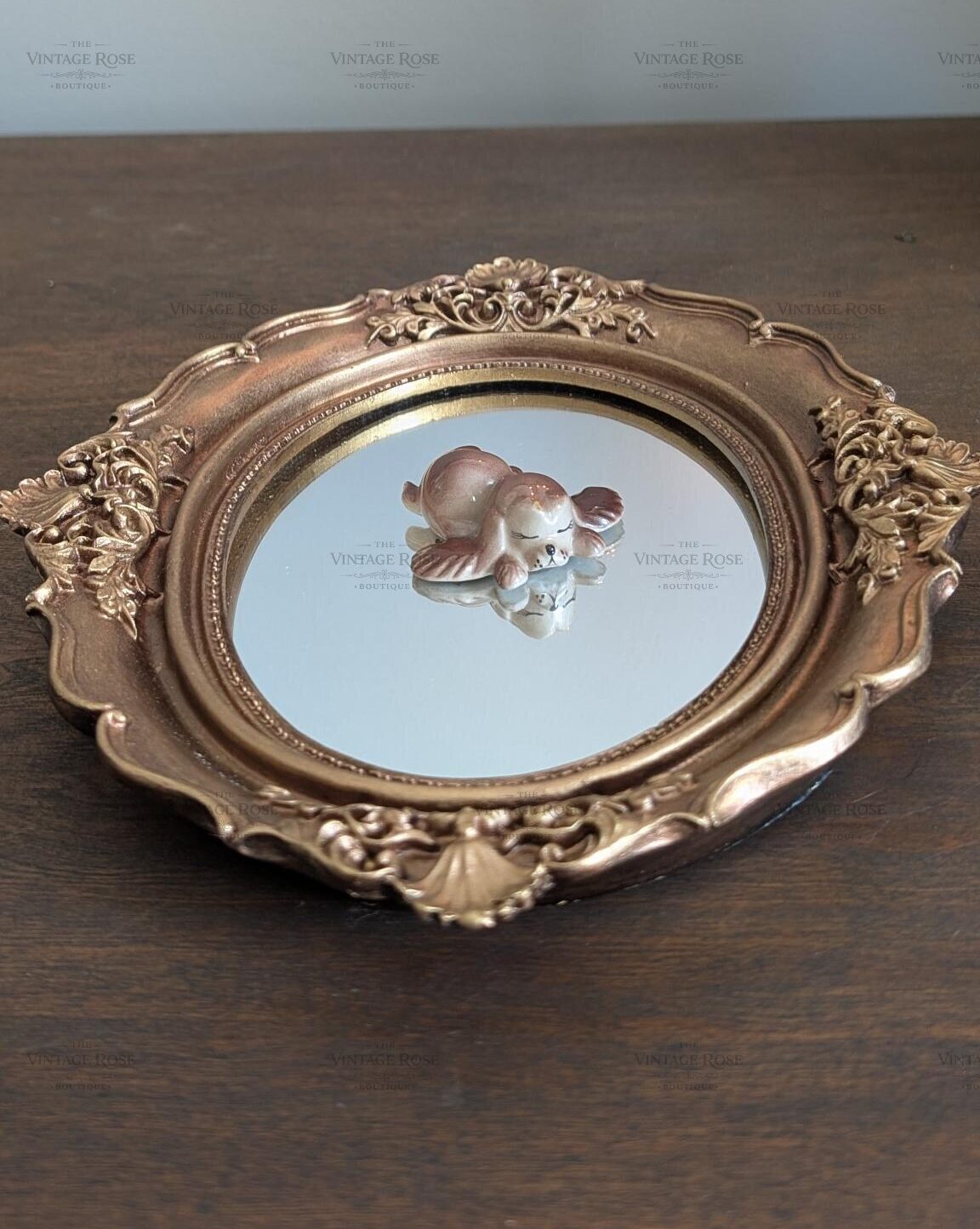
Vintage Ceramic Sleeping Cocker Spaniel Puppy Figurine — Mid-Century Brown Glaze Miniature
$18.00Porcelain / Ceramic
HDRF-VR-0002 -
Very Good
Early 20th Century (c. 1900s–1940s)
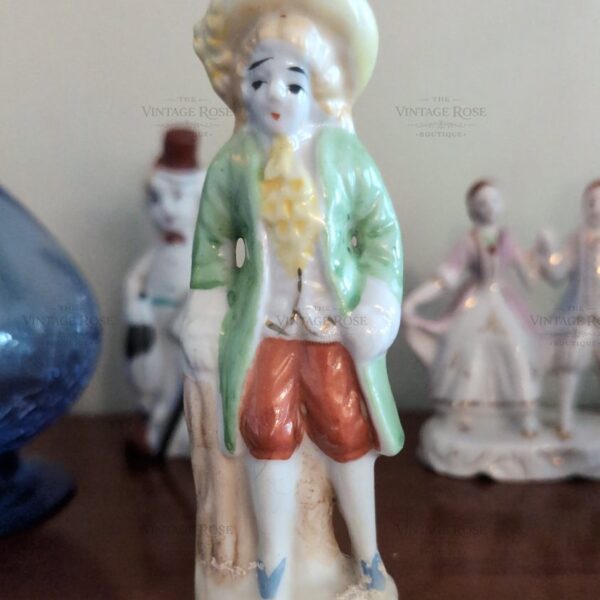
Vintage Hand-Painted Japanese Porcelain Colonial Gentleman Figurine — Mint Green Coat
$28.00Porcelain / Ceramic
HDRF-VR-0037 -
Very Good
Mid-Century (1940s–1960s)
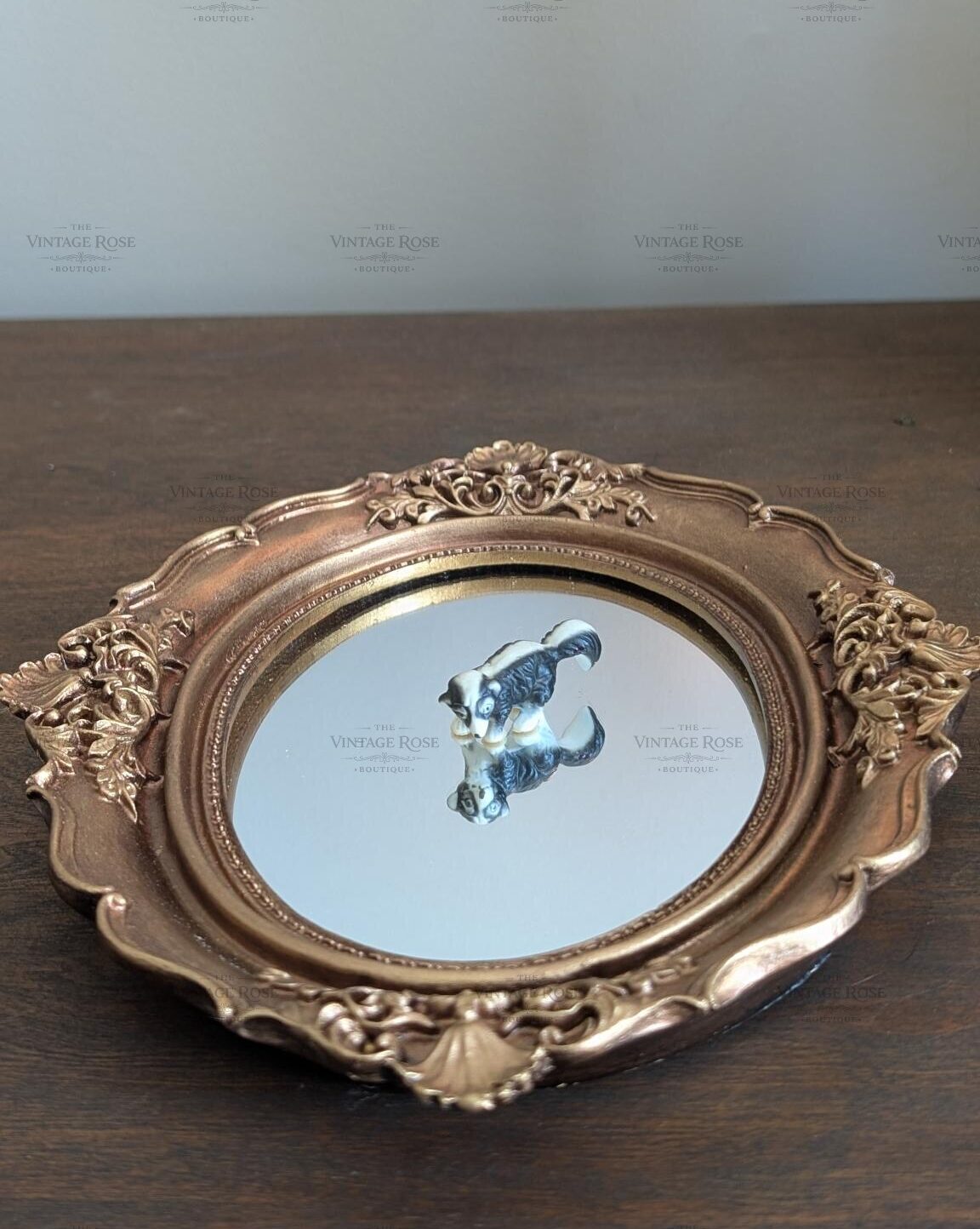
Vintage Ceramic Skunk Figurine — Mid-Century Black & White Miniature
$18.00Porcelain / Ceramic
HDRF-VR-0003 -
Excellent
Mid-Century (1940s–1960s)
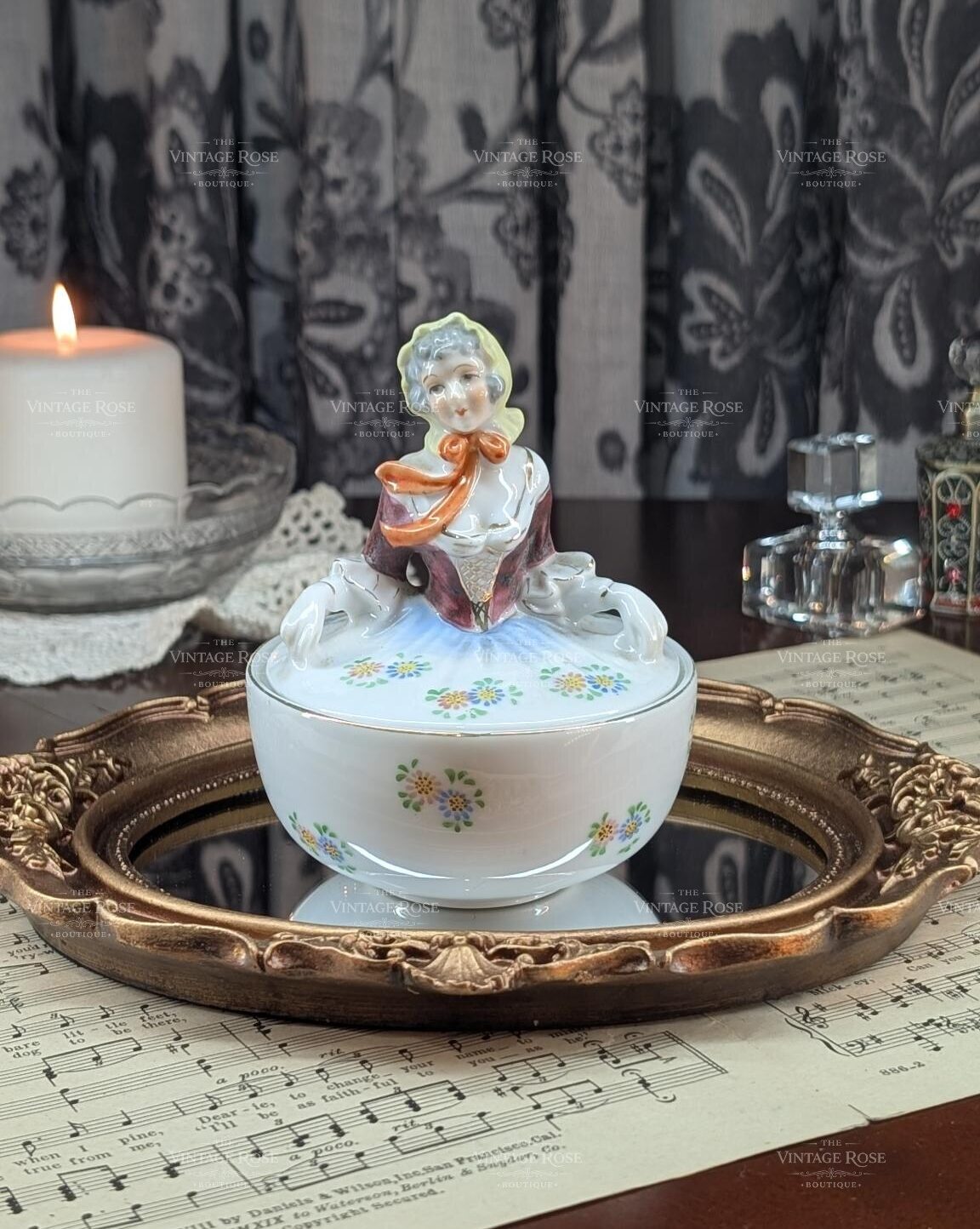
Occupied Japan Figural Porcelain Powder Box — Rococo Lady, Hand-Painted, 1945–1952
Original price was: $68.00.$60.00Current price is: $60.00.Porcelain / Ceramic
HDRF-VR-0005