 1 / 6
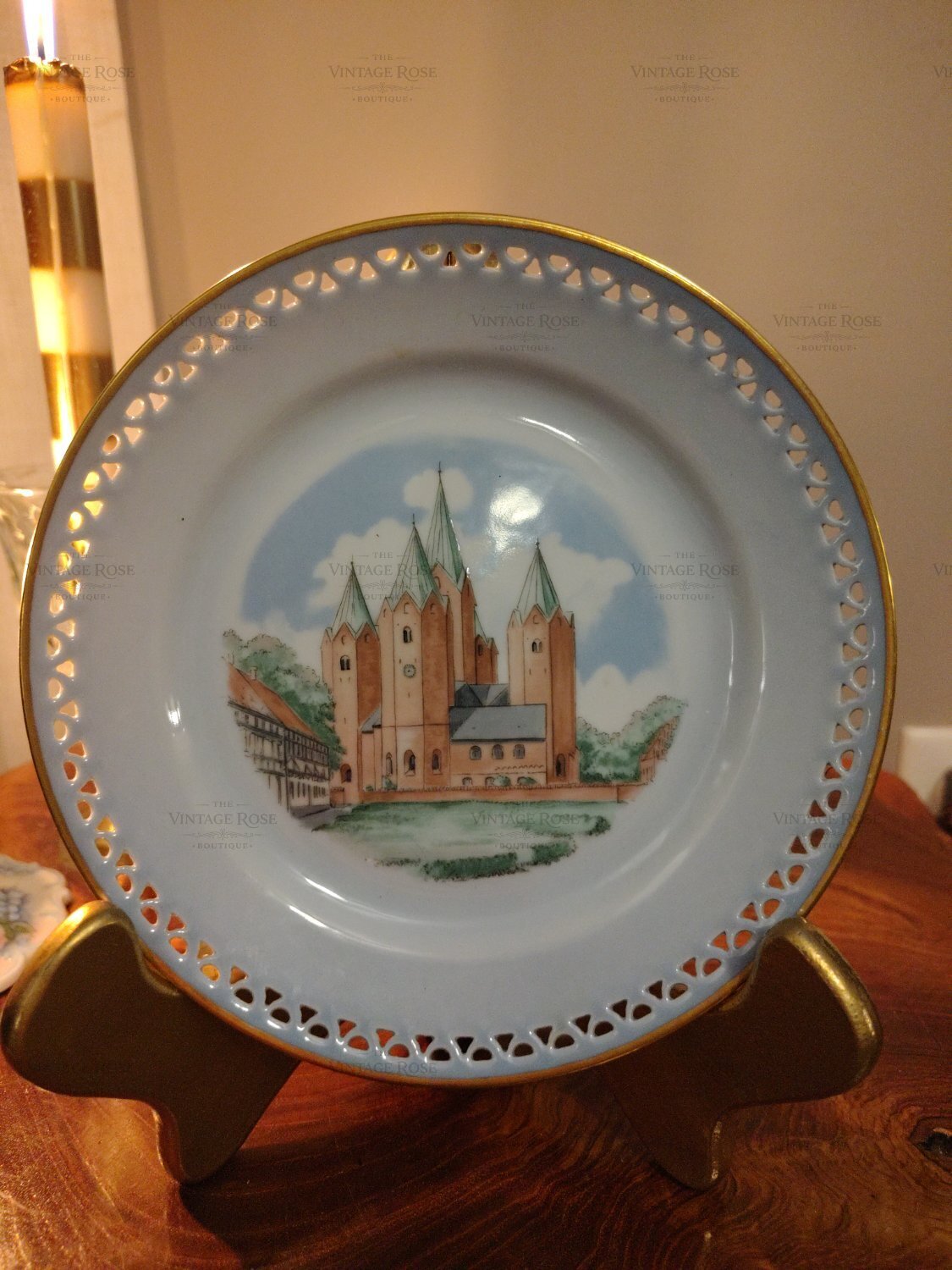
Bing & Grøndahl “Kalundborg Kirke” Reticulated Danish Porcelain Cabinet Plate — 7″ Hand-Tinted Church View
Price in USD. Shipping is $10.95 to the contiguous US — see our Shipping Policy.
- Maker: Bing & Grøndahl, Copenhagen (green three-towers backstamp; form 616.S, decoration 3557)
- Scene: "Kalundborg Kirke" — the five-towered Church of Our Lady, in overglaze polychrome
- Border: Reticulated (hand-pierced) rim, gold-gilt edge, powder-blue band
- Size: 7 inches in diameter — a display / cabinet plate
- Era: Circa 1970–1982
Bing & Grøndahl "Kalundborg Kirke" Reticulated Danish Porcelain Cabinet Plate — 7" Hand-Tinted Church View
Circa 1970–1982
Danish Topographical Porcelain
There's a church in Kalundborg, on the Danish island of Zealand, that looks like nothing else in Scandinavia. Five towers — a tall one at the center, four at the corners — rising from a cruciform plan laid down around 1170. Tradition gives it to Esbern Snare, brother of the Bishop Absalon who founded Copenhagen, and it has anchored the town's skyline for the better part of nine centuries. This plate keeps a small painted view of it: the terracotta brick, the verdigris copper spires, a half-timbered house tucked to the left, all under a soft Danish sky. That's the whole idea behind topographical porcelain — a real place someone stood in front of, admired, and wanted to carry home.
Bing & Grøndahl painted it. The Copenhagen house, founded in 1853, was one of Denmark's great porcelain makers before it merged into Royal Copenhagen in 1987. Its three-towers mark comes straight from the city's coat of arms — the towers of Absalon's own castle. What sets this piece apart is the border: reticulated, which means the rim is pierced by hand into a ribbon of open scallops, then finished in gold and powder blue. It's fussy, fragile work, and it survived whole. The plate spent years in a Virginia china cabinet that had gathered porcelain from several countries — Danish beside Irish, English, and Japanese — the kind of collection built one good piece at a time.
Specifications
- Dimensions
- 9 × 9 × 3 in
- Weight
- 2 lbs
- SKU
- HDRH-VR-0032
- Maker: Bing & Grøndahl, Copenhagen (green three-towers backstamp; form 616.S, decoration 3557)
- Scene: "Kalundborg Kirke" — the five-towered Church of Our Lady, in overglaze polychrome
- Border: Reticulated (hand-pierced) rim, gold-gilt edge, powder-blue band
- Size: 7 inches in diameter — a display / cabinet plate
- Era: Circa 1970–1982
Related products
-
 Very Good
1990s
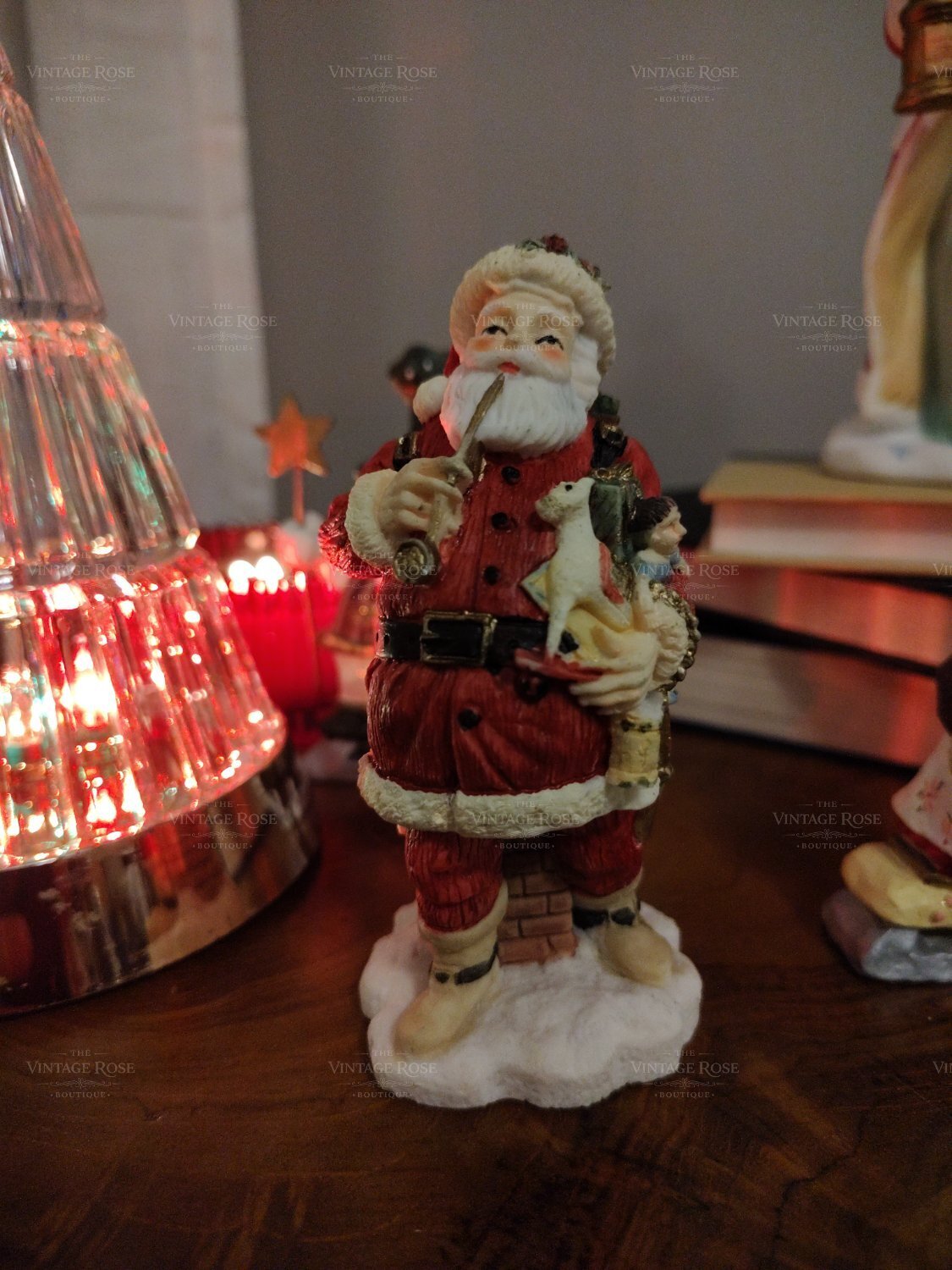
International Santa Claus Collection United States Santa — 1992 Hand-Painted Resin Figurine (IRS SC06)
$22.00Resin
HOXM-VR-0009 -
Very Good
1990s
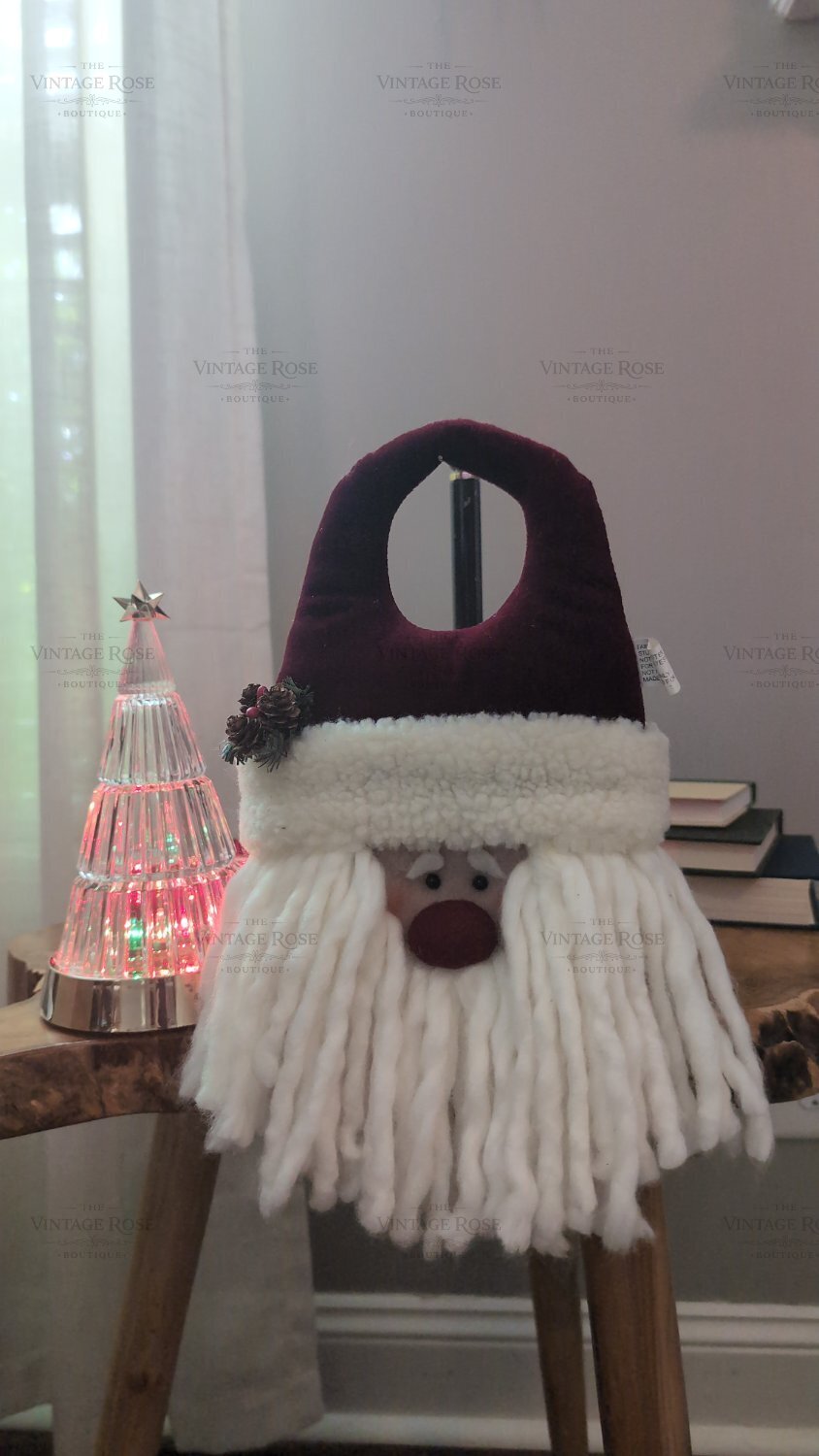
Plush Country Santa Decoration — Burgundy Velvet Hat, Sherpa Trim & Chunky Yarn Beard
$25.00Plush
HOXM-VR-0019 -
Excellent
1980s
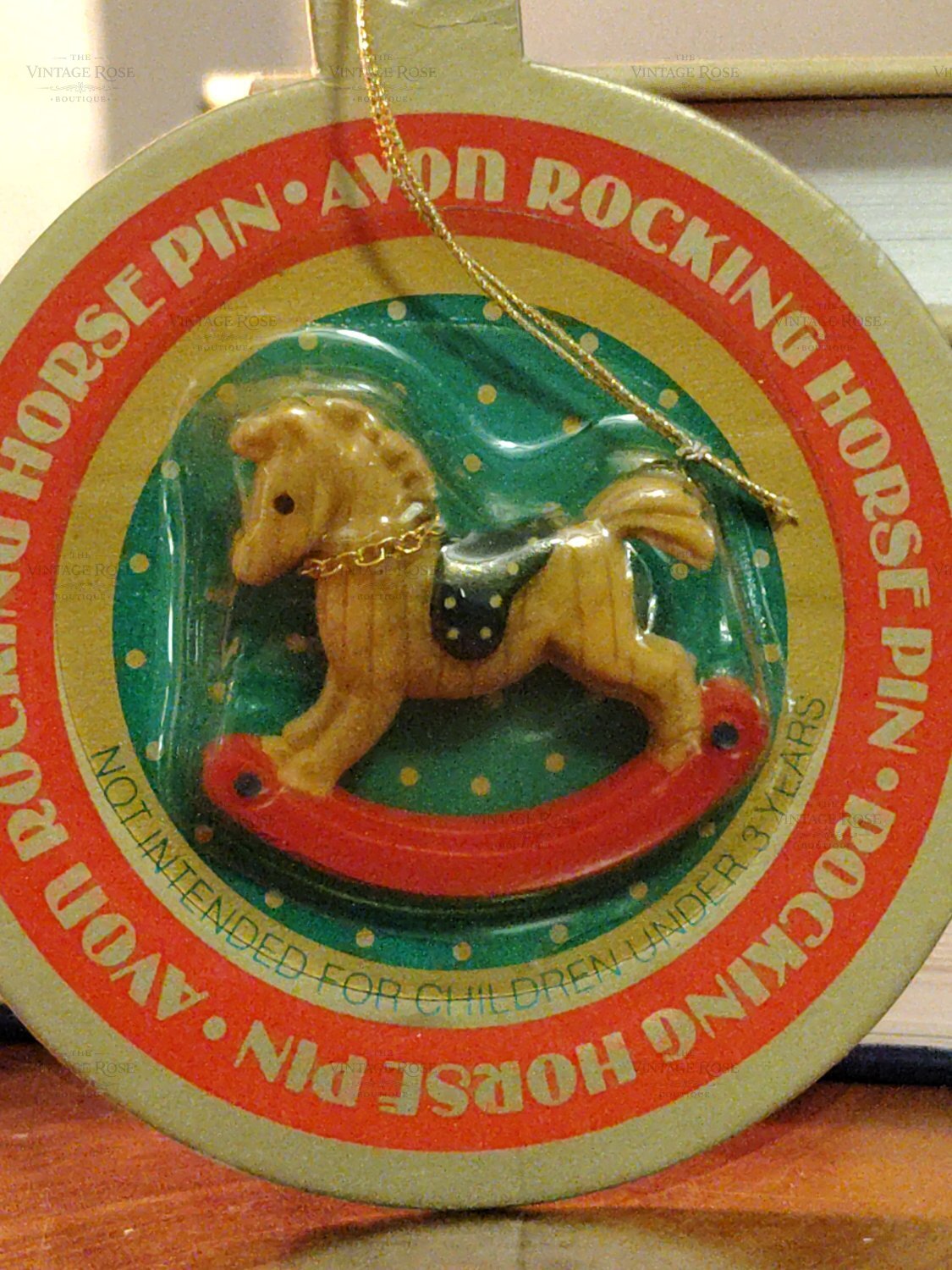
Vintage Avon Rocking Horse Pin — 1985 Christmas Brooch, Mint on Card
$16.00Plastic / Resin
HOXM-VR-0002