 1 / 4
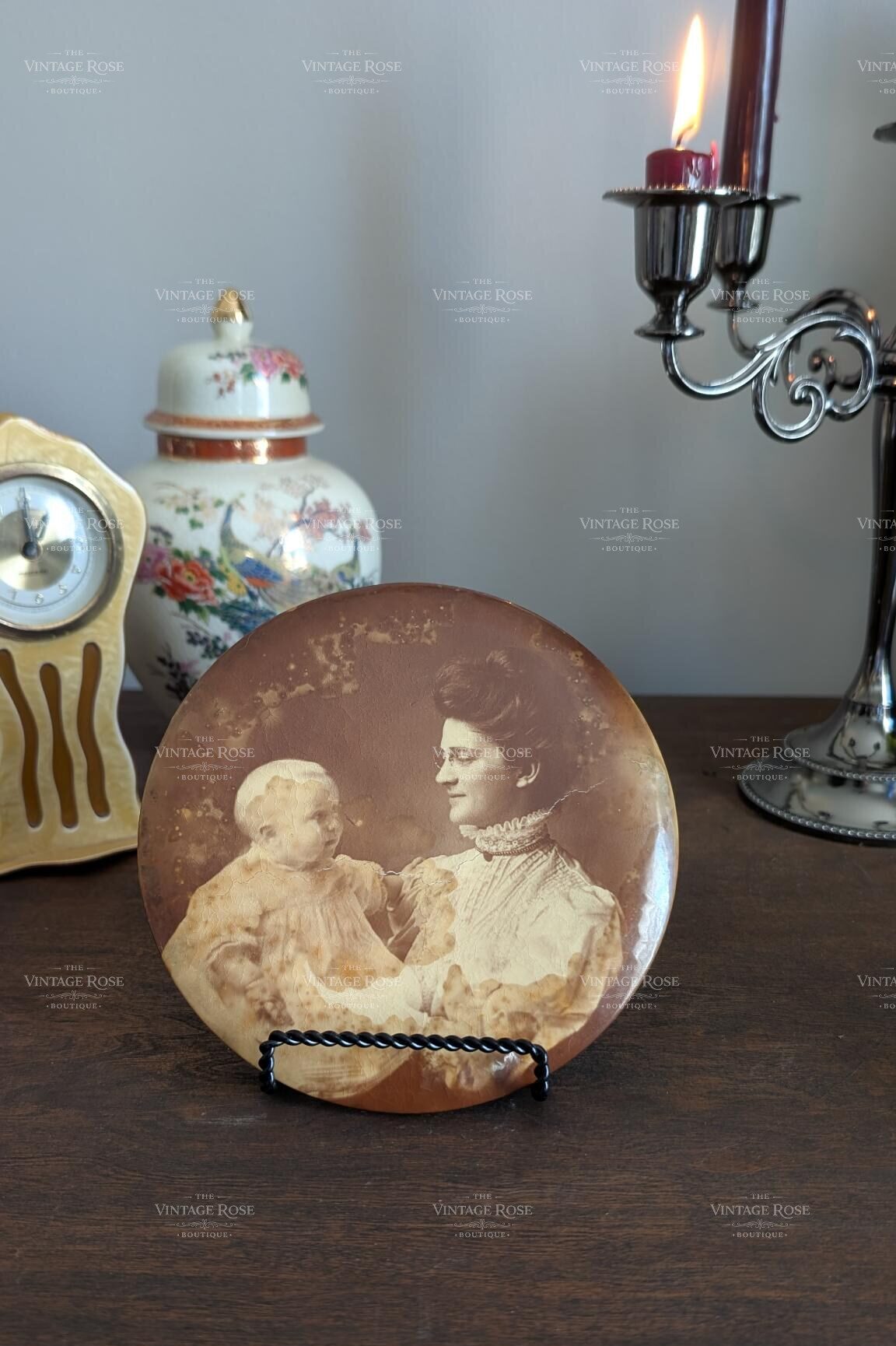
Antique Edwardian Celluloid Photo Button — Columbia Portrait Co. Chicago, Mother & Child Sepia Portrait
Price in USD. Shipping is $10.95 to the contiguous US — see our Shipping Policy.
Antique Edwardian Celluloid Photo Button — Columbia Portrait Co. Chicago, Mother & Child Sepia Portrait
Circa 1900 – 1910
Edwardian Celluloid Photographic Portrait, American
The Columbia Portrait Company was founded in 1893 in Chicago — the same year as the city's legendary World Columbian Exposition — by Thomas J. Ogara, Thomas J. Durkin, and C.M. Stumcke. The company pioneered a mail-order photographic service: customers sent their family photographs to Chicago, where the images were transferred onto non-corrosive tin and sealed beneath a protective convex celluloid covering. Three finishes were offered — Steel-Tone, Sepia, and hand-painted watercolor.
By 1919, the company claimed over two million buttons graced homes across the United States and Canada. The firm operated for nearly half a century before closing around 1940. These celluloid photo buttons were how ordinary American families preserved and displayed their most important portraits in the decades before affordable framing became widespread.
This example captures a young mother in a high-necked white blouse with lace choker collar and pince-nez glasses, her hair swept up in the Gibson Girl style, holding a baby in a flowing white christening gown. The warm sepia finish and the gentle convexity of the celluloid dome give the portrait a luminous, almost three-dimensional quality that flat photographs can't match. The maker's stamp on the tin reverse remains legible after more than a century.
Specifications
- Dimensions
- N/A
- Weight
- 0.5 lbs
- SKU
- HDRA-VR-0002
Details
- Antique celluloid photo medallion, circa 1900–1910
- Produced by Columbia Portrait Co., Chicago, Illinois
- Sepia-tone photographic portrait of mother and child
- Convex celluloid glazing over non-corrosive tin backing
- Circular maker's stamp on reverse: "Columbia Portrait Co Chicago"
- Approximately 5 15/16" diameter
- No easel or hanging hardware — displays beautifully on a plate stand or shadow box
Condition
Very good antique condition for a piece over 115 years old. Some foxing and age spotting visible on the celluloid surface, primarily in the upper left area and scattered across the lower portion. Fine crazing present in the celluloid consistent with age. The photographic image beneath remains clear and well-defined with warm, rich sepia tones. Flat tin backing is intact with legible maker's stamp. No chips, cracks, or structural damage to the celluloid dome.Related products
-
 Excellent
Retro (1970s–1990s)
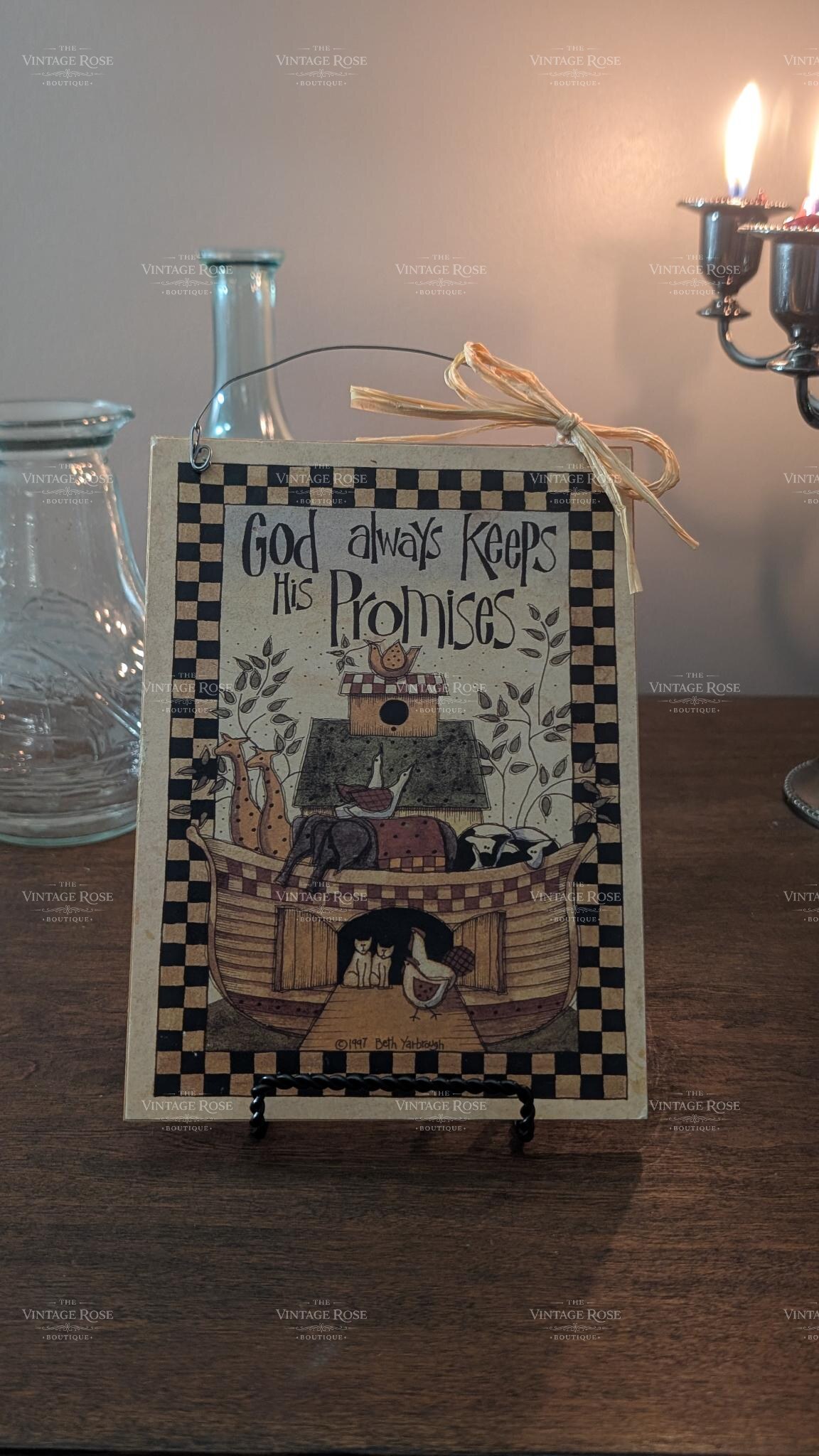
Vintage Beth Yarbrough Folk Art Wall Plaque — “God Always Keeps His Promises” Noah’s Ark Sign, 1997
$24.00Printed illustration on rigid board, wire hanger, raffia bow
HDRA-VR-0007 -
Very Good
Art Deco (1920s–1930s)
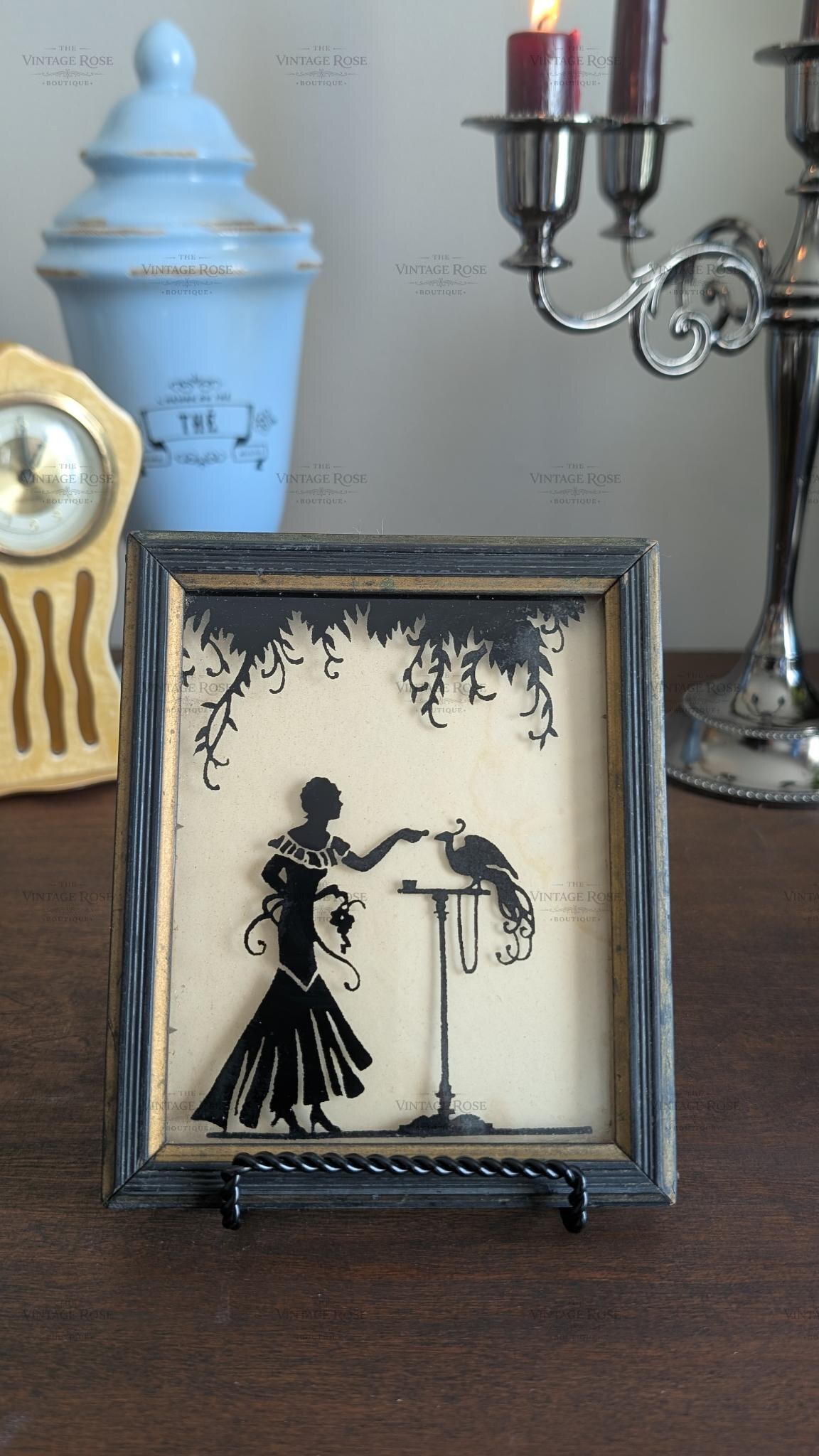
1930s Deltex “Fine Feathers” Reverse Painted Glass Silhouette — Art Deco Lady & Peacock, Brooklyn NY
$32.00Crystal / Glass
HDRA-VR-0003 -
Very Good
1960s
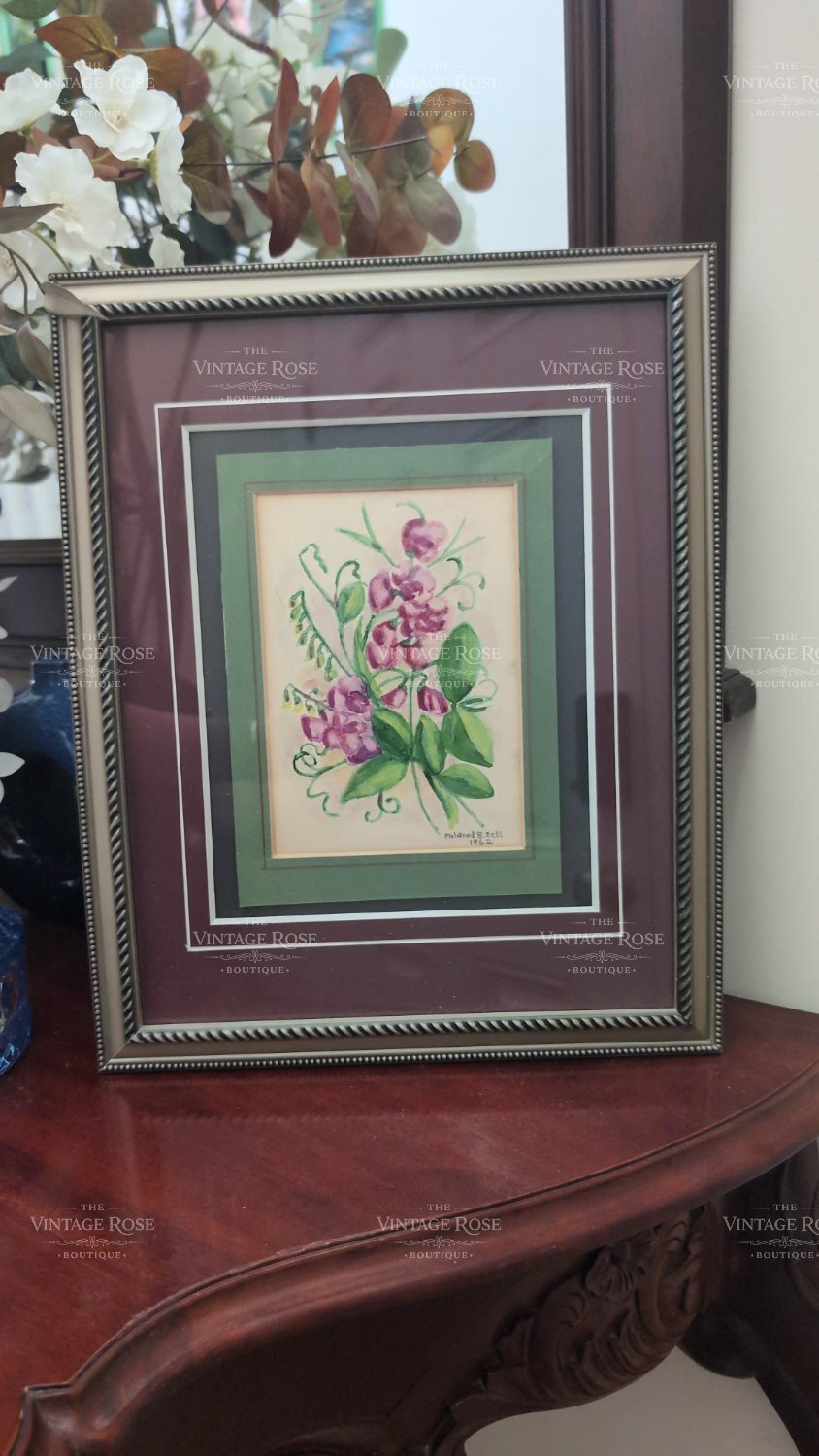
Original 1962 Watercolor Floral — Signed Mildred S. Bell, Sweet Peas Still Life
$72.00Paper, Watercolor
HDRA-VR-0009 -
Very Good
Late 20th Century
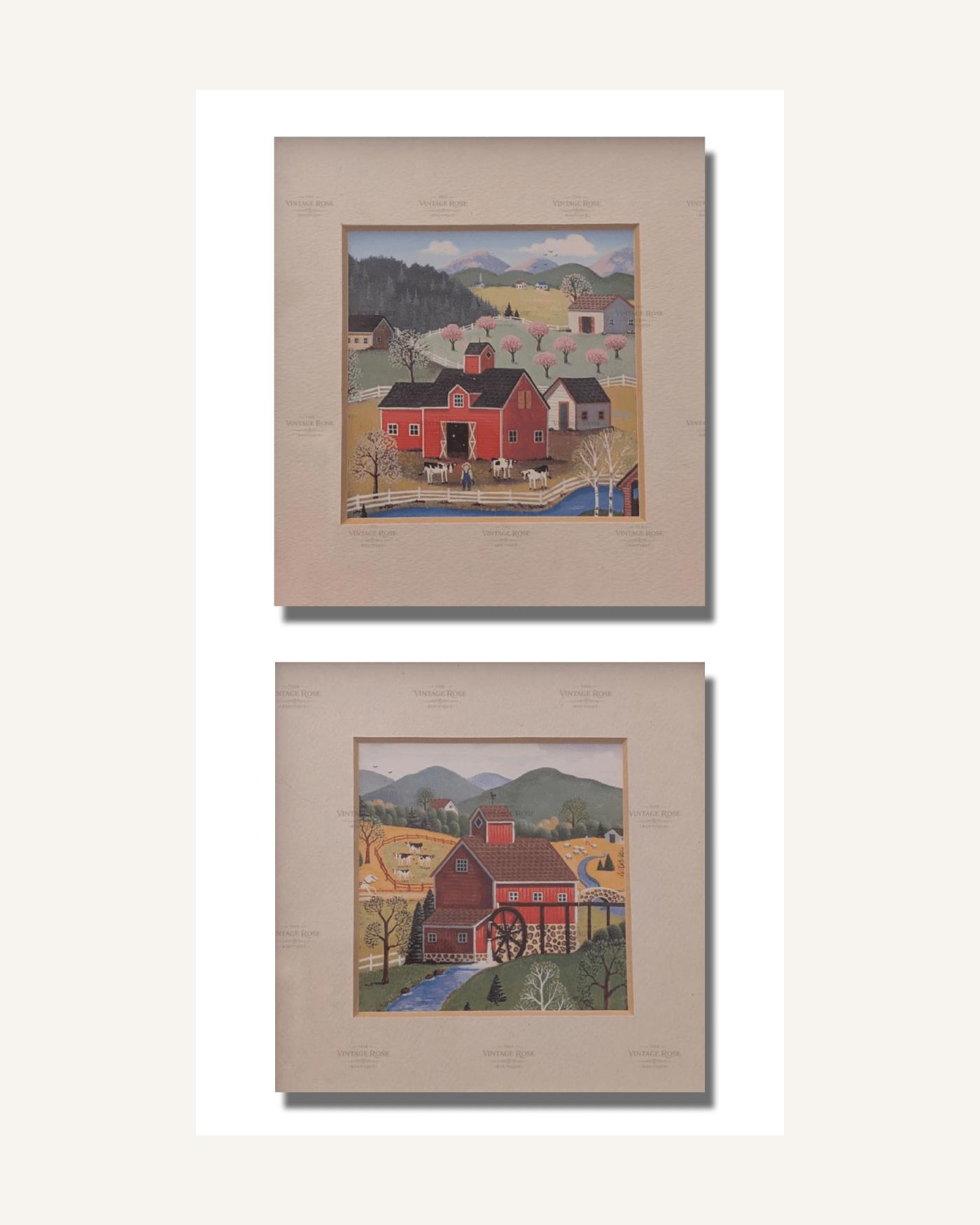
Steven Klein Folk Art Prints, Framed Miniature Pair — “Country Fields” & “Lazy Summer”
$39.00Decorative prints on paper, cream mat board, robin's egg blue painted wood frames, glazed.
HDRA-VR-0006