 1 / 5
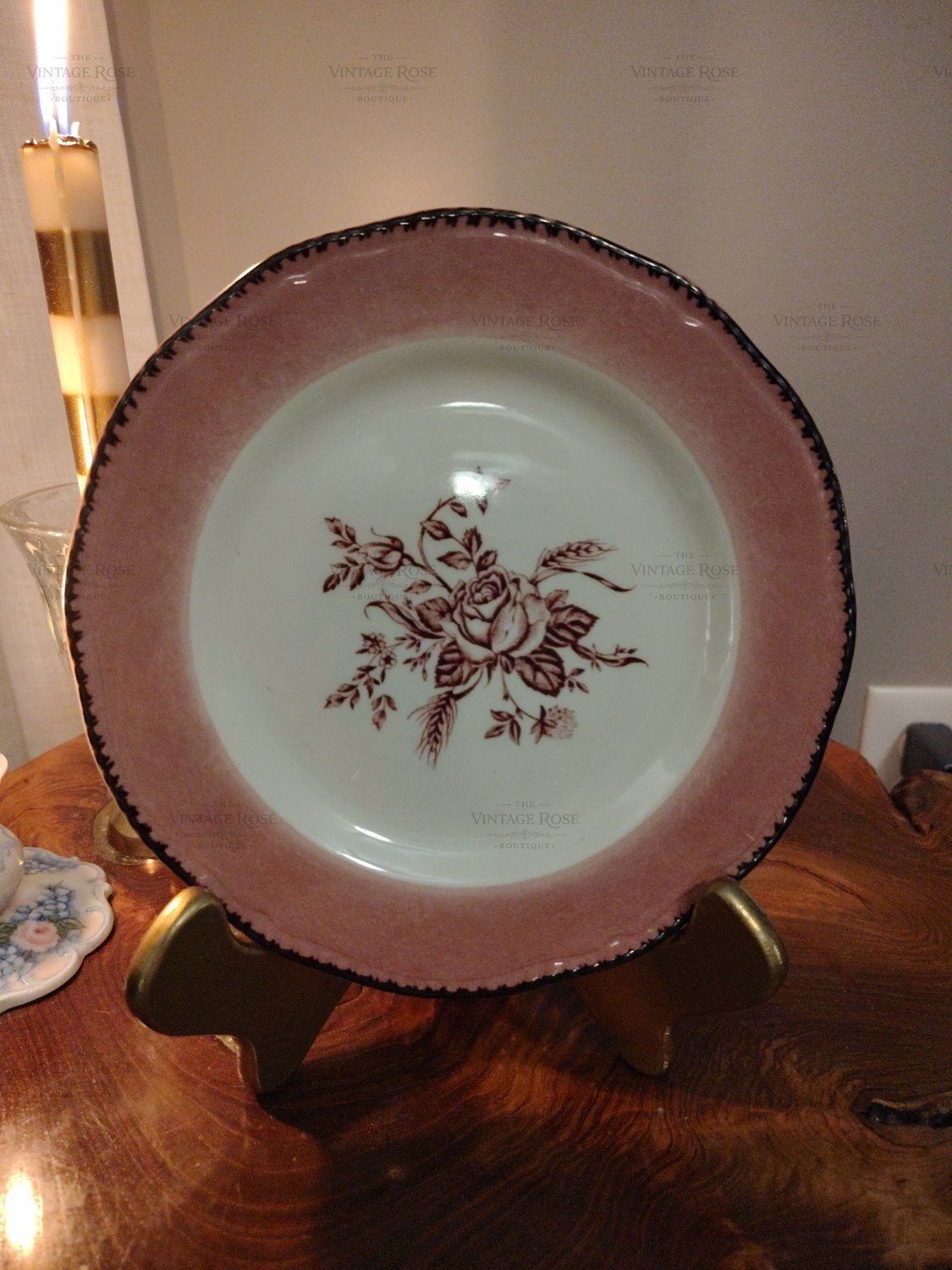
Wood & Sons Sepia Rose Transferware Plate — 8″ English Earthenware
Price in USD. Shipping is $10.95 to the contiguous US — see our Shipping Policy.
- Maker: Wood & Sons, Burslem, Staffordshire
- Origin: Made in England
- Design: Transfer-printed sepia rose, buds, wheat, and foliage
- Rim: Wide dusty-rose band, soft mottled texture, feathered dark edge
- Size: 8 inches across — salad/dessert scale, lovely on a stand or rail
- Body: Glazed earthenware
- Era: Late twentieth century (1980s–90s)
- One of a kind: A single estate piece
Wood & Sons Sepia Rose Transferware Plate — 8" English Earthenware
Late 20th Century (1980s–90s)
English Rose Transferware Plate
Wood & Sons was founded in Burslem, in the Staffordshire Potteries, in 1865, and spent well over a century turning out honest English tableware before the firm closed in the early 2000s. This plate carries their sepia rose transfer — a full-blown bloom with buds, wheat and grasses on a bright ivory well, framed by a wide band of dusty rose with a softly mottled, sponged texture. Its backstamp, a crowned lion-and-shield crest reading "Wood & Sons, Made in England, Fine Tableware" and ringed with the words dishwasher proof and microwave safe, places it in the late twentieth century — a plate made for a table that was actually set, not just admired behind glass.
It came to us from an estate in Wake Forest, North Carolina, by way of a collector who moved south from Long Island and brought a Northeastern fondness for English china along with the moving boxes. A rose plate arriving at a shop called The Vintage Rose feels a little like it was always meant to land here.
Specifications
- Dimensions
- 8 × 6 × 6 in
- Weight
- 2 lbs
- SKU
- HDRH-VR-0034
- Maker: Wood & Sons, Burslem, Staffordshire, England
- Origin: Made in England
- Design: Transfer-printed sepia rose with buds, wheat, and foliage
- Rim: Wide dusty-rose band, soft mottled finish, feathered dark edge
- Size: 8 inches across — salad/dessert scale
- Body: Glazed earthenware
- Era: Late twentieth century (1980s–90s)
- One of a kind: A single estate piece
Related products
-
 Excellent
1990s
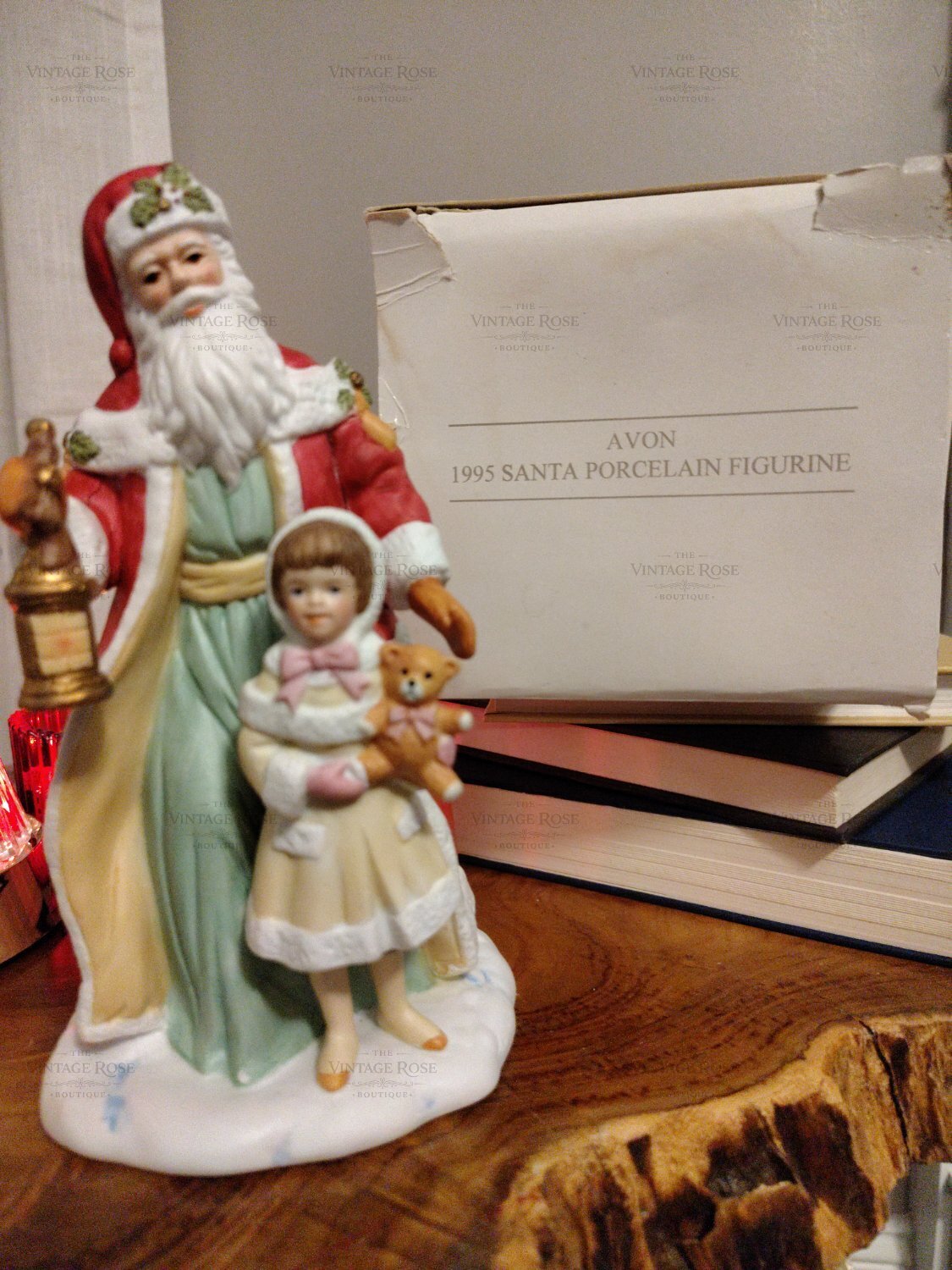
Avon 1995 Santa with Child Porcelain Figurine — Old World Father Christmas, New Old Stock in Box
$22.00Porcelain / Ceramic
HOXM-VR-0014 -
Very Good
Contemporary
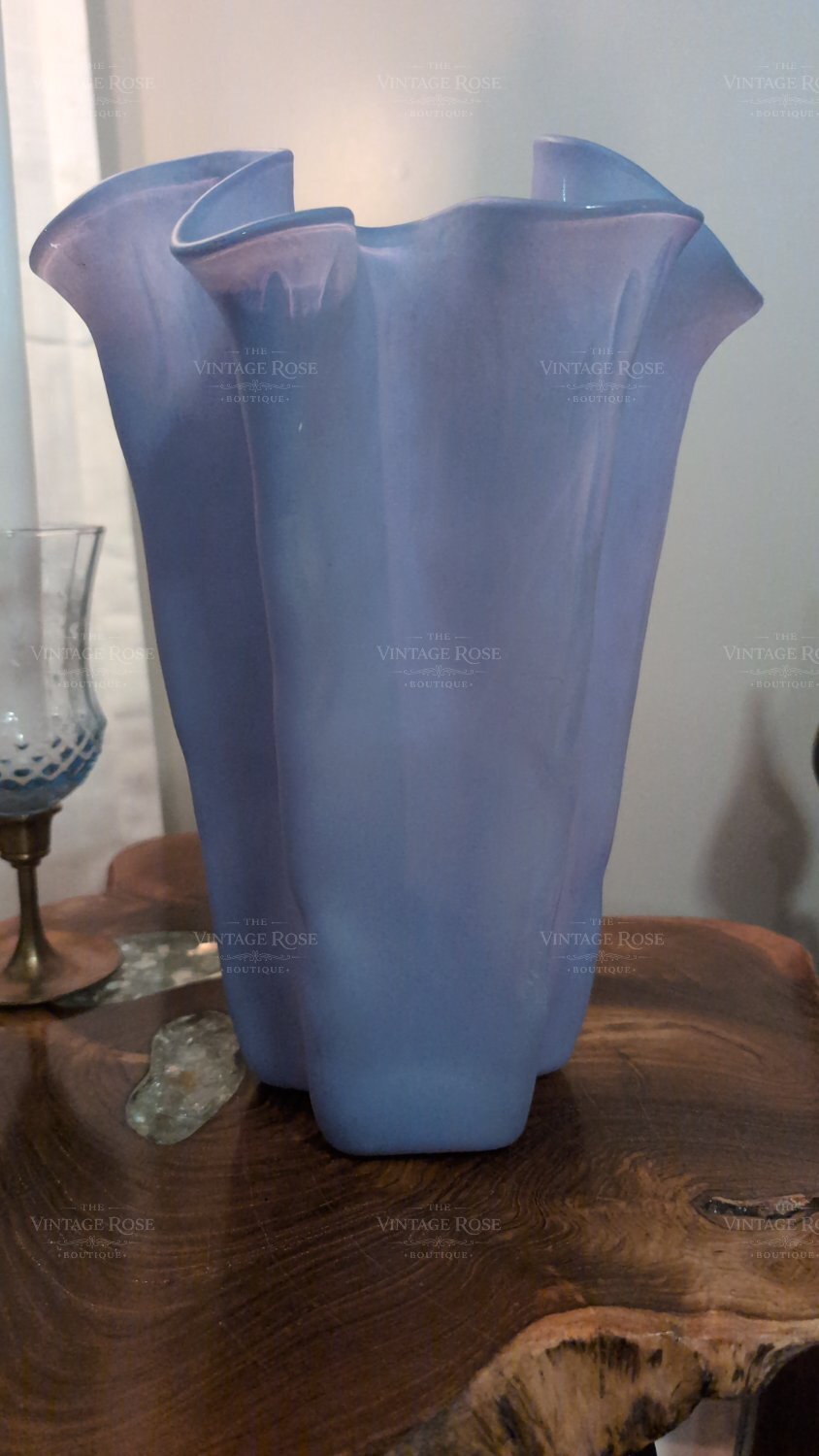
Muurla Finland Handkerchief Art Glass Vase — 12″ Mouth-Blown Satin Periwinkle-to-Lavender Ruffled Vase
$105.00Art Glass, Glass
HDRV-VR-0027 -
Very Good
Mid-Century (1940s–1960s)
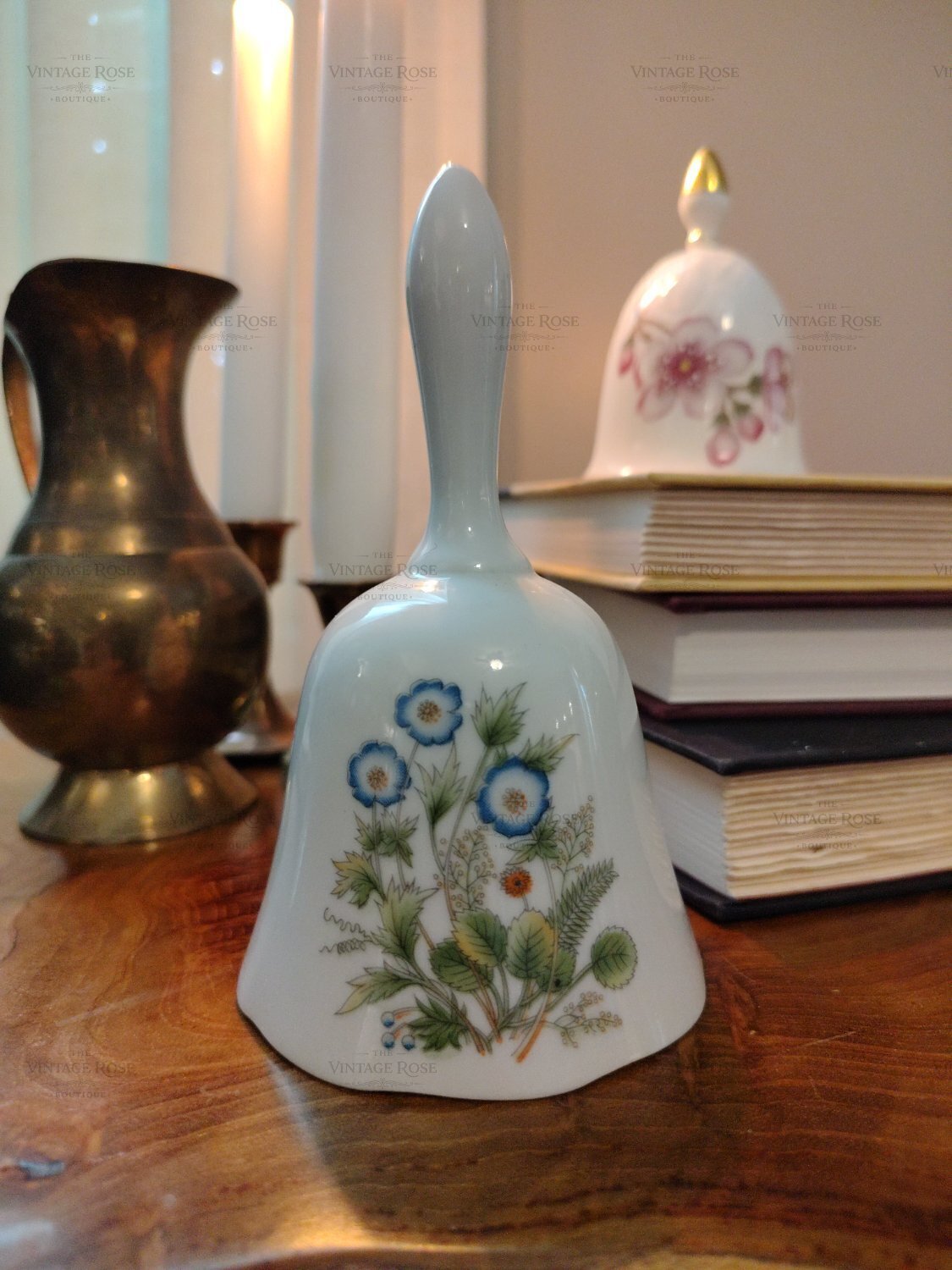
Vintage Japanese Porcelain Table Bell — Hand-Decorated Blue Wildflowers, ~5″, Marked Japan
$19.00Porcelain / Ceramic
HDRH-VR-0017